
At a glance
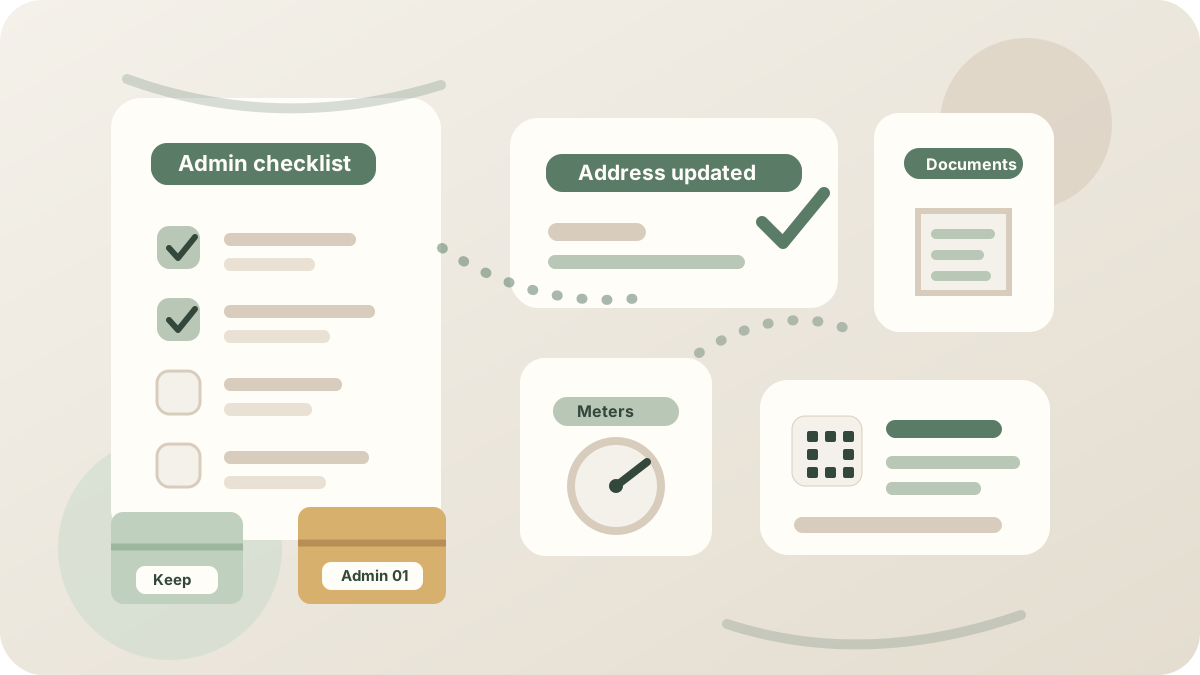
Moving admin is easier when it follows the timeline of the move. Prepare address changes and services before moving day, take meter readings or service records during the handover, then catch up on accounts, documents and registrations after arrival.
Moving admin
Some of the most important moving tasks do not go in a box.
It is easy to focus on the visible work: packing, lifting, cleaning, collecting keys and finding the kettle.
The quieter work can be just as important. Mail needs to follow you. Utilities need clean readings. Insurance needs the right address. Personal records, vehicle details, subscriptions and regular deliveries all need to know where you live now.
Left unfinished, moving admin creates small problems that arrive later: missed letters, surprise bills, failed deliveries, duplicate accounts and services still attached to the old home.
The aim is not to complete every admin task in one sitting. It is to move through them in the right order.
Two to three weeks before moving: set the foundations.
Start with the things that take time to activate or affect several other tasks.
Set up mail redirection or forwarding if it is available where you live. Even if you update every important account, a forwarding window gives you breathing room and catches the letters you forgot about.
Tell local services, tax offices, building management, housing providers or relevant authorities that you are moving if they hold your current address. Rules vary by place, so use the official route for your area and keep confirmation emails or reference numbers.
Contact your internet or broadband provider early. Connection transfers, new installations and engineer visits often have longer lead times than people expect.
Review insurance policies before the move. Home, contents, vehicle, pet, life and specialist cover may all need an updated address. Storage, transit and parking changes can affect what is covered, so check the details rather than assuming the old policy still fits.
Create one admin folder for the move. This can be digital, physical or both. Keep contracts, readings, confirmation numbers, insurance notes, key collection details and moving receipts together.
One week before moving: make the change list visible.
By the final week, the problem is rarely knowing that admin exists. The problem is remembering who still needs updating.
Make a simple address-change list and work through it in groups:
- Money: banks, cards, pensions, loans, finance agreements and accounting records.
- Home: energy, water, internet, phone, security systems, maintenance plans and local services.
- Health and family: doctors, dentists, vets, schools, childcare, prescriptions and care providers.
- Identity and official records: licences, registrations, tax records, voting records and government accounts where relevant.
- Everyday life: subscriptions, deliveries, memberships, loyalty accounts, online shops and work records.
Do not rely on memory. If you receive a regular bill, letter, parcel or appointment reminder, add that organisation to the list.
This is also a good time to separate admin documents from the main packing. Passports, licences, tenancy or purchase documents, medication records, insurance papers, school information and pet records should travel with you, not deep inside the van.
When released, PackQR will let you mark an admin box or document pouch as “keep with me” and add private notes about what is inside. The outside label can stay simple while the detail stays in your local box record.
Moving day: record the handover details.
Moving day is busy, but a few photos can prevent a lot of confusion later.
Before leaving the old home, record final meter readings for utilities that apply to the property. Take clear photos where possible. Include the date if your phone does not automatically store it in the photo details.
When you arrive at the new home, record the opening readings in the same way. This creates a clean before-and-after line, so you are not relying on memory when accounts are closed or opened.
Keep keys, access fobs, parking permits, handover notes, inventory records and condition photos together until the move is complete.
If you are renting, moving into a managed building or handing a property back, take extra care with condition records. Photograph empty rooms, appliances, meters, walls, floors and any existing marks before boxes cover the evidence.
First week after moving: open the new accounts cleanly.
Once you are in, focus on the services that make the home function.
Submit closing readings to old providers and opening readings to new or existing providers. Ask for final bills where needed and keep the confirmations.
Check that energy, water, internet, phone, waste collection, building access and any maintenance services are registered to the right address and person.
Update official records that are tied to where you live. Depending on where you are, this might include driving records, vehicle registration, voting records, tax accounts, residency records or local services.
Transfer or update licences, permits and household services that are address-based rather than person-based. If something is only valid at the old property, move it before you forget.
Then update the everyday services that cause irritation when they go wrong: delivery apps, online shopping accounts, subscriptions, memberships, pet supplies, medicine deliveries and regular orders.
First month after moving: catch what slipped through.
No moving admin list is perfect.
For the first month, keep a small “still to update” note on your phone or in your moving folder. Whenever a redirected letter, old-address email, failed delivery or forgotten account appears, add it and fix it.
Check bank statements and emails for services still linked to the old address. Look for subscriptions, storage charges, insurance renewals, local memberships and deliveries that only happen occasionally.
If you used storage during the move, check that the storage address, insurance details and box records are up to date. A stored box is easier to manage when the admin around it is clear too.
Keep private documents private.
Admin boxes often contain the things you least want to lose: identity documents, contracts, financial paperwork, medical records, school information and legal papers.
Do not write detailed contents on the outside of these boxes.
Use a privacy-safe label such as “Admin 01”, “Documents” or “Keep with me”, then record the detail privately. If a box contains sensitive paperwork, keep it with you or place it in a clearly controlled no-load area.
PackQR is useful here because the box label can stay discreet while your phone holds the searchable contents, notes and photos. You can find the paperwork later without advertising what is inside during the move.
Make admin part of the move, not a separate crisis.
Moving admin feels tedious because it is scattered across so many places.
The fix is to make it visible. One folder. One checklist. One place for readings, documents and confirmations. One labelled box or pouch that never disappears into the general cardboard pile.
Start before moving day. Photograph the handover details. Update the essentials first. Then use the first month to catch whatever slipped through.
You are not just moving into a new address. You are making sure the rest of your life knows where to find you.
General information: This guide is practical information, not legal, financial, medical or regulated professional advice. Requirements and risks vary by location and circumstances.