
At a glance
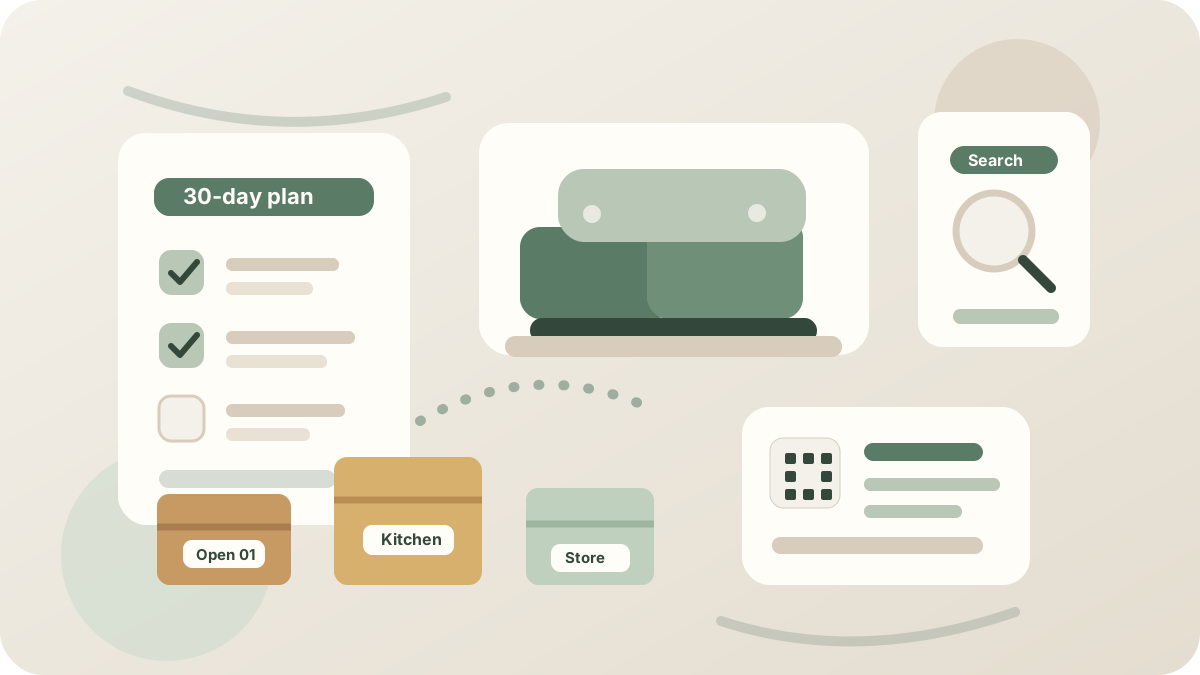
A 30-day unpack plan helps you settle without burning out. Start with sleep, bathroom and kitchen basics, then move through comfort spaces, storage areas and final decisions in small daily stages.
Unpacking plan
The move is not finished when the van leaves.
Moving day ends, the door closes and suddenly the new home is full of cardboard. Beds need assembling. Chargers have vanished. The kettle is somewhere sensible, but no one can remember where sensible was.
This is the moment when many people run out of energy. The temptation is to push boxes against a wall and promise to deal with them later.
Sometimes later means next weekend. Sometimes it means six months. Sometimes the same sealed box follows you to the next home.
The answer is not to unpack everything in one heroic weekend. It is to make steady, useful progress. A 30-day plan gives you enough structure to settle in without turning the first month into another moving day.
Moving day: put boxes in the right rooms first.
Unpacking starts before the first box is opened.
Ask movers or helpers to place boxes in their destination rooms, not in one large pile near the front door. A kitchen box should land in the kitchen. Bedding should land near the bedrooms. Storage boxes should go straight to the storage area if they are not needed soon.
This avoids double-handling. Every time you move a box twice, you spend energy you will need later.
Simple room labels help. So do door signs. With PackQR, your outside label can show the room and box number while the detailed contents stay private in the app. Helpers know where to place things without needing to see everything inside.
The first 24 hours: function before finish.
The first day is not about making the home beautiful. It is about making it usable.
Start with the Open First box. This should contain the basics you need before proper unpacking begins: chargers, toilet roll, hand soap, towels, medication, simple food, drinks, pet supplies, child essentials, bin bags, basic tools and anything needed for the first night.
Then make the beds. A ready bed changes the whole day. Even if every other room is unfinished, you have somewhere to properly stop.
After that, focus on one bathroom and one basic kitchen zone. You do not need every cupboard arranged. You need to wash, eat, charge your phone and sleep.
Week 1: essentials and routines.
The first week is for the rooms that keep life running.
Prioritise the kitchen, bathroom, everyday clothes, work or school items, laundry supplies and anything needed for pets or children. These are the boxes that reduce daily friction.
Use search before opening at random. If you recorded contents while packing, PackQR can help you find the pan, charger, school shoes, toiletries, paperwork or spare bedding without cutting into five wrong boxes first.
Keep decisions small. You do not need a perfect kitchen layout immediately. You need the things you use most often in places that make sense today.
Week 2: comfort and calm.
Once the basics are working, move towards comfort.
Set up the bedroom so it feels restful. Clear the living room enough that you have somewhere to sit without staring at every unfinished task. Create one calm corner if the whole room still feels too much.
This matters because unpacking is emotional as well as practical. A home full of boxes can make you feel as if the move never ended. One finished area gives you proof that progress is happening.
If there are boxes that clearly belong elsewhere, move them once and properly. Avoid creating new mystery piles.
Week 3: closets, paperwork and workspaces.
By the third week, the main living areas should be easier to use. Now tackle the spaces that quietly create clutter: wardrobes, cupboards, desks, documents, tool boxes and hobby supplies.
This is a good time to review what you packed in a hurry. Some items made sense in the old home but do not deserve space in the new one.
Keep a donation or recycling bag nearby as you unpack. If you open a box and realise you do not want the contents, do not store the decision for later. Let the item leave before it becomes part of the new background clutter.
For paperwork, sentimental items and useful-but-occasional things, create clear records before they go into cupboards or storage. Future you should not have to remember which shelf hides the important folder.
Week 4: storage and finishing touches.
The final week is for the things that do not need to be out every day: books, decorations, seasonal items, spare linens, memory boxes, tools, hobby supplies and long-term storage.
This is where many boxes become permanent. Before anything goes into a loft, garage, spare room or storage unit, make sure it is still searchable.
Give each storage box a clear label, face the label outward and record the contents that matter. Add photos if they will help. Mark fragile, heavy or seasonal boxes clearly.
A stored box is only useful if you can find what is inside it later.
Use the two-box rule when energy drops.
Unpacking fatigue is real. It usually appears after the urgent jobs are done and the remaining boxes feel less important.
When the house feels overwhelming, lower the target. Unpack two boxes a day. Not twenty. Not the whole room. Just two.
This works because progress stays visible and manageable. Two boxes a day becomes fourteen boxes a week. It is far better than waiting for a perfect free weekend that never arrives.
If a box cannot be unpacked yet, record it properly and move it to the correct storage area. Do not let “not now” turn into “lost”.
Give sealed boxes a deadline.
If a box stays sealed for 30 days, it needs a decision.
That does not always mean getting rid of it. Seasonal decorations, documents, baby items, spare tools and sentimental objects may have a real place in long-term storage.
But the box should not remain a mystery. Open it, check it, label it, record it and decide where it belongs.
If you find a box that has already followed you through more than one move unopened, ask a kind but honest question: am I keeping this because it is useful, meaningful or needed — or because I have avoided deciding?
Stop camping. Start living.
A house starts to feel like home when the essentials are easy to reach, the main rooms are usable and the boxes no longer control the space.
The goal is not a perfect home in 30 days. It is a home that works.
PackQR helps after the move by keeping your box records searchable. Scan a QR label, search for an item, check contents before opening and keep long-term storage from becoming another box mountain.
Unpack what you need. Store what deserves to stay. Let go of what no longer fits.
Then stop being in moving mode and start living in the home you moved for.
General information: This guide is practical information, not legal, financial, medical or regulated professional advice. Requirements and risks vary by location and circumstances.