
At a glance
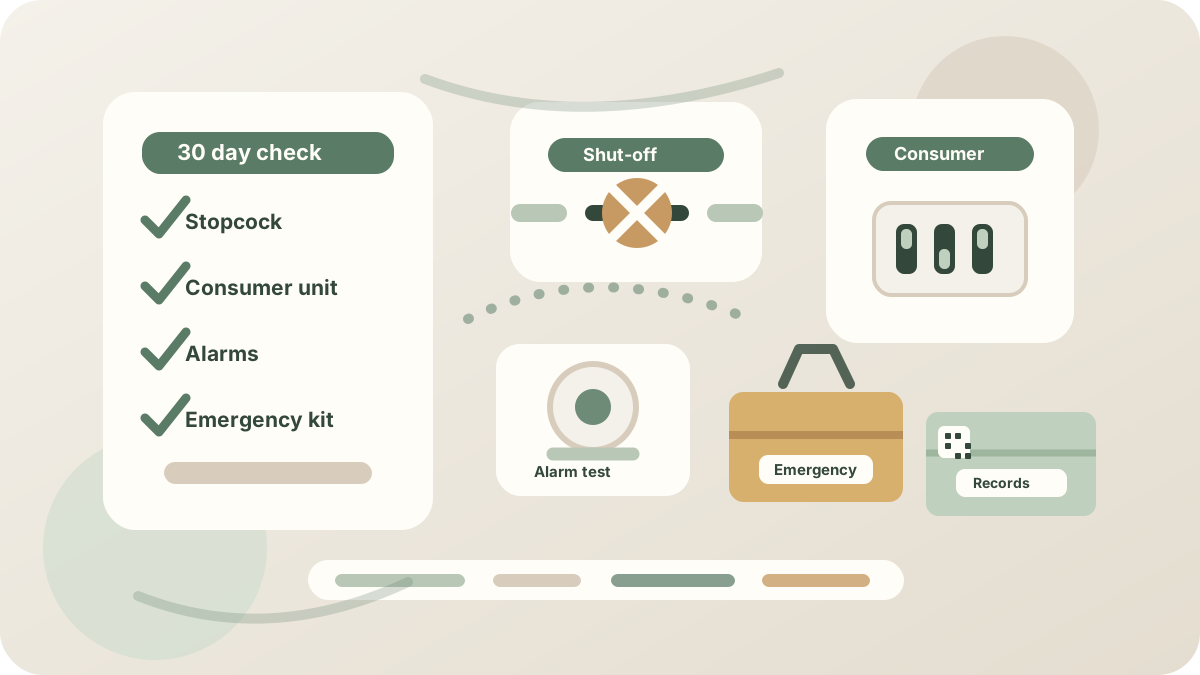
Use the first 30 days to locate the systems that protect the home: water shut-off, consumer unit, gas valve, alarms, filters, drainage and emergency contacts. Save manuals, model numbers and repair notes somewhere searchable so the next problem does not start with a cupboard-by-cupboard hunt.
New home basics
Before you decorate, learn how the home behaves.
A new home can look settled long before it feels familiar.
You may know where the mugs are, but not where the stopcock is. You may have chosen a sofa position, but not tested the smoke alarms. You may have unpacked the bedroom, but still have no idea which switch controls the kitchen sockets.
That is normal. Moving uses so much energy that maintenance feels like a later problem. The trouble is that leaks, tripped electrics and broken appliances rarely wait until you are ready.
The first 30 days are a practical window. You are still noticing the building, the boxes are still accessible and your routines have not hardened yet. Use that window to map the systems, record the details and decide who to call before there is an emergency.
The aim is not to become a tradesperson. It is to become the person who knows where the important things are.
Start with the three controls that prevent panic.
Before you hang pictures or build the final wardrobe, find the controls that can stop a small problem becoming a larger one.
The main water shut-off valve controls the water entering the home. In the UK, this is often called the stopcock. It may be under the kitchen sink, near the boiler, in a utility cupboard, by the water meter, in a basement or in an outside meter box near the boundary.
Turn it gently enough to check that it moves. Do not force a stiff valve. If it is rusted, leaking or impossible to move, make a note and arrange help before you need it in a hurry.
The consumer unit or fuse box controls the electrical circuits. It is commonly in a hallway, cupboard, garage, utility space or near the entrance. Open it and check whether the switches are clearly labelled. “Sockets” is useful. “Everything?” is not.
The gas shut-off valve matters if the home uses gas. It is usually near the gas meter. Know where it is, but treat gas work seriously. If you smell gas, follow your supplier’s emergency instructions and get out rather than experimenting.
These locations deserve a simple private record. Add photos, notes and room names so another adult in the home can find them too.
Check alarms before you trust them.
Smoke and carbon monoxide alarms are easy to ignore because they sit quietly until they do not.
Test every alarm in the home during the first few days. Replace batteries if needed, check dates where visible and make sure alarms are positioned where they can actually be heard. If a detector is missing, damaged, expired or unreliable, treat that as an early priority.
If you rent, report problems in writing so there is a clear record. If you own, create your own reminder schedule for testing and replacement.
This is also a good time to choose where the torch lives. During a power cut, a torch packed in “miscellaneous storage” is not an emergency tool. Keep one in a known place, with spare batteries or a charging habit you trust.
Understand the boundary between yours and theirs.
Maintenance becomes less stressful when you know which problems are yours to handle and which ones need a landlord, managing agent, freeholder, insurer or utility provider.
If you rent, your everyday responsibilities usually include sensible use of the property, basic cleaning, ventilation, reporting faults quickly and small tasks named in your tenancy agreement. You should not start opening walls, altering wiring or attempting plumbing repairs because a video made it look simple.
If something structural fails, the boiler stops working, the roof leaks, fixed electrics are faulty or an appliance supplied with the property breaks down through normal use, contact the landlord or property manager first. Keep photos and messages so the timeline is clear.
If you own, the responsibility widens. The roof, drains within your boundary, fixtures, appliances, internal plumbing, electrics, gutters, fences and many hidden parts of the building may be yours to maintain. Your responsibility usually stops where a public utility network or another owner’s legal boundary begins, but the exact line can vary.
Do not guess in a crisis. Keep tenancy documents, deeds, warranties, insurance details and service records in one searchable home records box or digital folder.
Days 1 to 10: build the safety baseline.
The first ten days should focus on safety, access and basic control.
- Change or check the locks: if you own the home, consider replacing locks or cylinders. If you rent, ask before changing anything and follow the agreement.
- Test alarms: check smoke alarms and carbon monoxide alarms, then note any battery changes or replacements.
- Find shut-offs: locate water, gas and electrical controls and add simple photos to your records.
- Map the consumer unit: label circuits clearly. If you are unsure what a switch controls, test safely with another person and write it down.
- Choose an emergency drawer: keep a torch, spare batteries, basic tools, heavy-duty tape, gloves, bin bags and important numbers together.
Do not wait until every room is unpacked. These are the systems you want ready before the first surprise.
Days 11 to 20: reduce avoidable problems.
The middle of the first month is when you can prevent small maintenance issues from becoming repeat annoyances.
Start with airflow. If the home has HVAC, mechanical ventilation or replaceable filters, find the filter size and date the change. A clogged filter can make systems work harder and can reduce air quality. If you do not know what type of system you have, photograph the model plate and manual rather than guessing.
Check seals around windows and doors. You are looking for obvious draughts, gaps, water staining, loose handles or places where rain could work its way in. A small note now can save you trying to remember whether that damp mark was already there.
Walk the outside if you have one. Look at gutters, drains, gullies, air bricks, steps, paths and areas where water might pool against the building. Clear leaves from visible drains if it is safe and simple. Leave roof-level work to professionals.
Then gather manuals and model numbers. Boiler, oven, hob, washing machine, fridge, dishwasher, alarm panel, thermostat and extractor fans all have details you may need later. Take photos of labels and save PDFs where available.
A “Home records” box in PackQR can include the physical manuals, spare filters, warranty papers, meter readings and a private note of model numbers without putting sensitive details on the outside.
Days 21 to 30: plan for the first real problem.
By the final third of the month, you should be moving from discovery to readiness.
Save the numbers you would need on a bad day: landlord or property manager, building manager, emergency plumber, electrician, insurer, gas emergency line, electricity network operator, water provider and a trusted neighbour if you have one.
If you own, ask neighbours which local tradespeople they trust. Good emergency contacts are much easier to find before water is coming through a ceiling.
If you rent, keep the official maintenance reporting route somewhere obvious. A phone number is useful, but an email address, portal link or out-of-hours process may matter just as much.
Build a small emergency kit and give it a proper home. Include a torch, batteries or power bank, basic hand tools, adjustable wrench, pliers, screwdrivers, tape, gloves, cloths, bin bags and a note of shut-off locations. Add anything specific to your home, such as radiator keys, spare fuses, filter sizes or alarm instructions.
Then label it simply. “Home emergency kit” should not be buried under Christmas decorations.
Decide what not to DIY.
Beginner maintenance is about confidence, not overconfidence.
Changing a battery, clearing a safe drain grate, replacing a simple filter, tightening a loose screw or recording a model number are useful beginner tasks. Gas work, fixed electrical work, major plumbing, structural repairs, boiler repairs and anything involving ladders, roofs or hidden services are different.
If the consequence of getting it wrong is fire, flood, injury, carbon monoxide, invalid insurance or a breached tenancy agreement, stop and get qualified help.
That is not failure. It is good home management.
Keep a maintenance log from the beginning.
The easiest time to create a maintenance record is before the home has a long history of half-remembered fixes.
Start a simple log with dates, photos, model numbers, filter sizes, service visits, warranties, receipts, landlord messages and insurance claim details. It does not need to be complicated. It needs to be findable.
Use plain labels on physical storage. “Home records 01” is better than listing passports, insurance documents or expensive equipment on a visible box. Put the detail in the private record.
If you later sell, renew insurance, chase a landlord repair, order a replacement part or explain a problem to a tradesperson, that record saves time. It also stops important papers being scattered across drawers, inboxes and old moving boxes.
Your first month sets the tone.
A home does not need a perfect maintenance system in 30 days.
It needs the basics: know how to shut off water, find the consumer unit, test alarms, report problems, store manuals, save emergency contacts and keep essential records somewhere you can search.
Once those pieces are in place, the home feels less unknown. Problems may still happen, but they start with a plan instead of a panic.
PackQR is being developed as a private, pay-once moving box scanner for iPhone and iPad. Use it after the move to record home documents, manuals, emergency kits, spare parts and storage boxes without exposing sensitive details on the outside.
Because the first sign of a well-run home is not that nothing ever goes wrong. It is that when something does, you know where to start.
General information: This guide is practical information, not legal, financial, medical or regulated professional advice. Requirements and risks vary by location and circumstances.