
At a glance
Pack a storage unit with access in mind using aisles, zones, readable labels, moisture protection and a simple searchable inventory.
Storage unit planning
Plan for access, not just capacity.
Most storage units are packed in a rush. Boxes are stacked like Tetris pieces, furniture is pushed into every gap, and the door closes with a satisfying click. Six months later, you need one specific box and the whole system falls apart.
The best storage layouts leave room for future you. Before you start stacking, decide how you will walk in, what you may need first, and which items should stay protected from weight, damp or accidental knocks.
Leave yourself an aisle
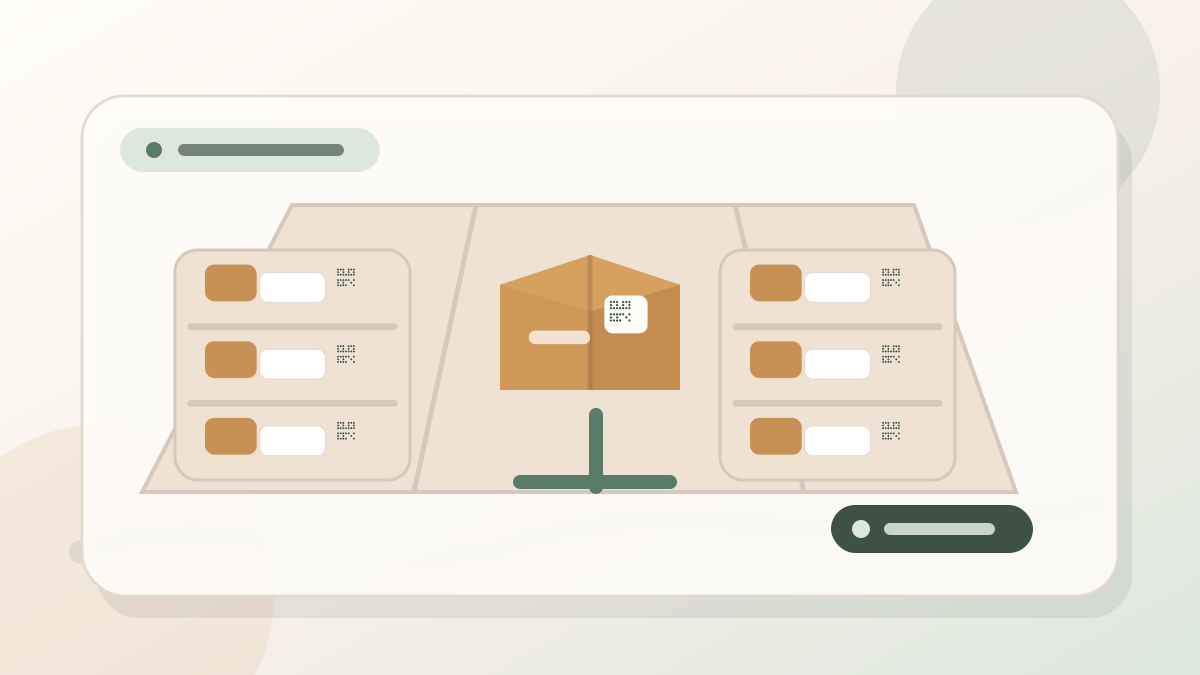
A narrow path down the centre of the unit can save hours later. It lets you reach the back without pulling every box into the corridor. For deeper units, a simple U-shaped aisle gives you access to both sides and the rear.
It may feel inefficient to leave empty floor space, but that aisle is what turns a storage unit from a locked pile into a usable extension of your home.
Use zones like a small warehouse
Group similar items together rather than filling gaps at random. You might keep holiday decorations on one side, kitchen and dining boxes together, sports gear near the front, and furniture or rarely used items at the back.
- Heavy boxes go low: dense boxes belong at the bottom of stacks so lighter and fragile boxes are not crushed.
- Frequently used items stay forward: seasonal clothes, tools, documents and children’s items should be easier to reach.
- Fragile items need space: avoid placing delicate items under unstable stacks or against areas that may be knocked when you enter.
Make every label face the aisle
A label only helps if you can read it. When each box goes into the unit, turn the useful label toward the aisle. If you use QR labels, place the code on the most accessible side rather than on the top or against the wall.
This small habit matters when the unit is dim, cold, crowded or full of boxes that all look the same. You should be able to scan or read a label without moving half a stack first.
Protect items from damp and pressure
If the unit is not climate controlled, be careful with photographs, paperwork, electronics and wood furniture. Keep sensitive items off concrete floors where possible, and avoid pressing them directly against exterior walls. Pallets, shelving and strong plastic boxes can help create a buffer from moisture and pressure.
Mark fragile or sensitive boxes clearly. In PackQR, you can also add a digital flag such as “Fragile”, “Heavy”, “Paperwork” or “Keep upright” so the handling note is visible whenever the box is scanned.
Keep a simple inventory before you close the door
The most common storage mistake is assuming you will remember what went where. You probably will not, especially if the unit stays closed for months.
Before you leave, create a basic inventory. It does not need to be perfect. Note the box number, category, rough contents and where it sits in the unit. A quick photo of each zone can also help.
PackQR makes this easier by turning each box into a private, searchable record. Scan the QR code, add the contents, and later search your phone before you drive to the storage facility. Instead of guessing which stack holds the winter blankets or camping stove, you know which box you are looking for.
Add a mini map
For larger units, keep a small map in your notes or inside the unit door. Label zones in plain language: left side for Christmas, right side for kitchen, back wall for furniture, front-right for tools. Pairing a layout map with box records makes retrieval much quicker.
The goal is simple: when you need something, you should know which part of the unit to walk to before you start lifting.
Storage should not become a black hole
A well-packed unit gives you access, protection and confidence. Leave an aisle, create clear zones, face labels outward, protect sensitive items and keep an inventory you can actually search. Your future self will thank you every time you find the right box without unpacking the whole unit.
General information: This guide is practical information, not legal, financial, medical or regulated professional advice. Requirements and risks vary by location and circumstances.