
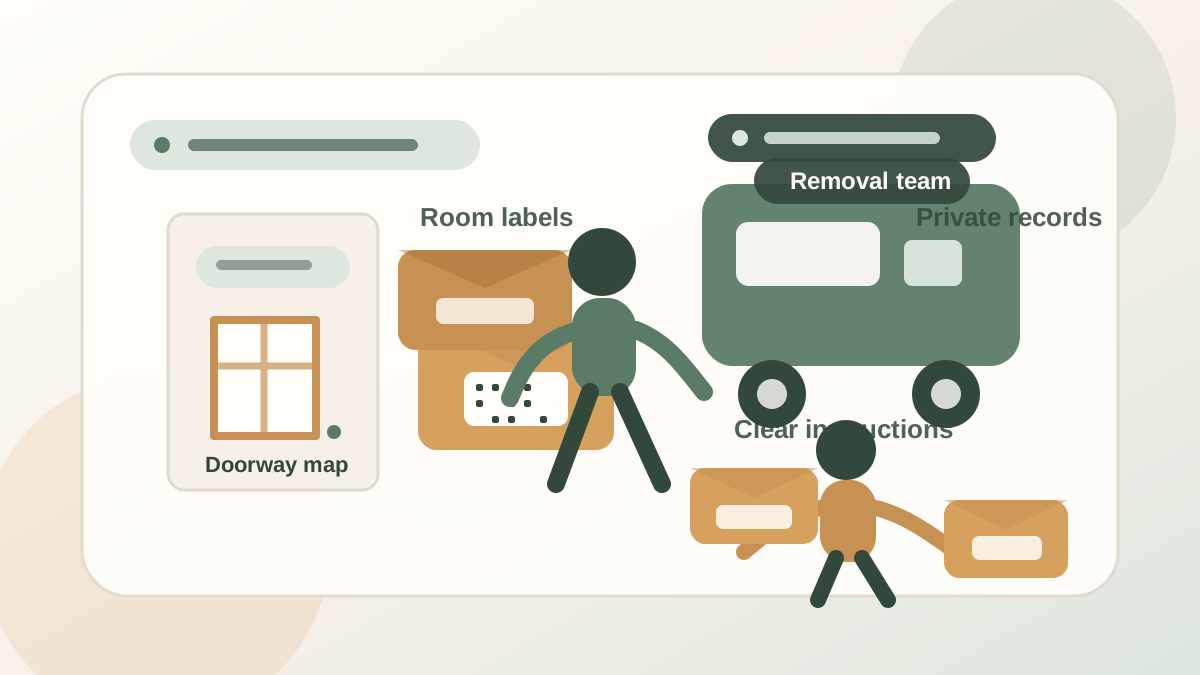
At a glance
Professional movers work best when the route, rooms and handling instructions are clear. Label boxes by destination, protect high-traffic paths, keep irreplaceable items separate and give the lead mover a short walkthrough before loading starts.
Moving day teamwork
Professional movers are helpful. Clear instructions make them better.
Hiring a removal company is one of the best ways to reduce the physical pressure of moving house. They know how to lift, load, stack and protect awkward items far better than most of us.
But even a very good team cannot guess where every box belongs.
If the only instruction is “put everything in the living room”, you have not finished moving. You have simply moved the chaos to a new address.
The aim is to make the day easy to follow for everyone: movers, family, friends, neighbours and your tired future self. That starts with labels, room names, a quick walkthrough and a few clear decisions about what should not go in the van.
1. Give every box a destination.
The fastest way to help movers is to remove the guesswork.
A box labelled “Kitchen” is useful. A box labelled “Kitchen 04 — cupboards — heavy” is better. It tells the team where the box goes, how to handle it and how to stack it.
Before moving day, choose simple room names and use them consistently. Bedroom 1, Bedroom 2, Study, Kitchen, Utility, Loft, Garage and Open First are easier than descriptions that change depending on who is speaking.
If the new home has several similar rooms, put a simple paper sign on each doorway. You can also tape a basic floor plan near the entrance so the lead mover can see the layout at a glance.
Colour coding can help, but keep it simple. A strip of coloured tape on the box and the matching room door is enough. Do not create a system so complicated that people need a key to understand it.
PackQR lets you keep the outside of the box simple while storing the useful detail privately. The label can show the room, box number and handling flag. The contents, notes and photos stay in your local app record for when you need them.
2. Protect the route, not just the furniture.
Removal teams are used to moving heavy and awkward items, but moving day still creates risk. Boxes move quickly. Furniture turns tight corners. Shoes go in and out through rain, grit and garden paths.
Before the crew arrives, look at the route from the van to the rooms.
Protect high-traffic floors, especially hallways, stairs and entry points. Floor protection film, runners or builder’s paper can help reduce scuffs, mud and carpet marks.
Check narrow doorways, sharp corners and tight stair turns. If you have fragile walls, new paintwork or an awkward antique cabinet, temporary edge guards or extra padding can make the day less stressful.
Also think about parking and access. A clear space near the property can save time, reduce carrying distance and lower the chance of items being put down in unsafe places.
Small preparation here prevents the kind of damage that is annoying because it was avoidable.
3. Keep irreplaceable items with you.
Some things should not go in the removal van, even with a careful team.
Keep jewellery, passports, laptops, medication, important paperwork, chargers, house keys, small heirlooms, sentimental items and first-night essentials with you.
If an everyday item is damaged, it may be replaceable. If a family keepsake disappears into the wrong box or a document is needed before the van is unloaded, the stress is different.
Create a “car load” or “do not move” zone before the movers arrive. Use a spare room, a clearly marked corner or your own vehicle. Tell the lead mover about it during the walkthrough.
Pets also need a separate plan. Removal companies do not transport live animals. Keep cats, dogs and small pets away from open doors, loud movement and heavy foot traffic, and plan their journey with you or with a specialist pet transport service if needed.
If it is irreplaceable, personal, living or needed tonight, keep it under your control.
4. Understand insurance before the first box moves.
Professional movers are careful, but no move is completely free from bumps, scuffs or surprises.
Before moving day, read the removal company’s insurance terms. Some policies offer limited liability, which may be based on item weight or a capped amount rather than the full replacement value.
If you have high-value furniture, artwork, instruments, antiques, specialist equipment or expensive electronics, ask what is covered and what is excluded. You may need additional cover through the removal company or your home contents insurer.
Insurance does not replace careful packing, good labels or sensible handling instructions. It simply gives you a safety net if something goes wrong.
Make your own records too. Photos of high-value items, notes on condition and clear box records can help you explain what was moved and where it was meant to go.
5. Start the day with a walkthrough.
The first 15 minutes matter.
Walk the lead mover through the home before loading begins. Point out fragile furniture, heavy boxes, awkward corners, parking details, access restrictions and anything that needs extra care.
Show them the “do not move” area. Show them the Open First box. Explain your room labels and any colour system you are using.
At the new home, do the same thing again if possible. Show the room signs, the doorway map and any areas where boxes should not be stacked.
This does not need to be a long meeting. It just needs to be clear enough that the team can work without asking you the same question every few minutes.
6. Make labels useful on the day and searchable later.
Moving labels have two jobs.
On the day, they help people put things in the right place. After the move, they help you find what is still packed.
That means every box should have at least three pieces of information: destination room, box number and handling note if needed.
Avoid writing private contents on the outside. “Office 03 — heavy” is safer than “laptops, hard drives and tax paperwork”. “Bedroom 02 — fragile” is safer than “jewellery box and keepsakes”.
PackQR is useful here because the public label and private record can be different. Movers see the room and handling instruction. You can scan the QR code to see the full contents, photos, notes and search terms inside the app.
That keeps the move practical without turning every box into a public inventory.
7. Keep communication simple and kind.
Moving is physically demanding work. A small amount of goodwill helps the day run better.
Have water available. Tea, coffee or snacks are not required, but they are often appreciated. Keep walkways clear. Avoid changing instructions through three different people at once.
If something is especially important, tell the lead mover once, clearly. If a box must stay upright, label it and say so. If a room is off-limits, mark it. If a piece of furniture is already damaged, point it out before it is moved.
The calmer the communication, the easier it is for everyone to work carefully.
Treat the day like a partnership.
Your removal team is not just carrying boxes. They are helping you move a working home from one place to another.
Give them the information they need: clear room names, visible labels, protected routes, a simple floor plan and a walkthrough before the lifting starts.
Keep the high-stakes items with you. Understand the insurance. Use private records for the details you do not want written on the outside of a box.
With PackQR, each box can be easy for movers to place and easy for you to search later. That means fewer questions on moving day, fewer mystery boxes after arrival and a smoother start in the new home.
General information: This guide is practical information, not legal, financial, medical or regulated professional advice. Requirements and risks vary by location and circumstances.