
At a glance
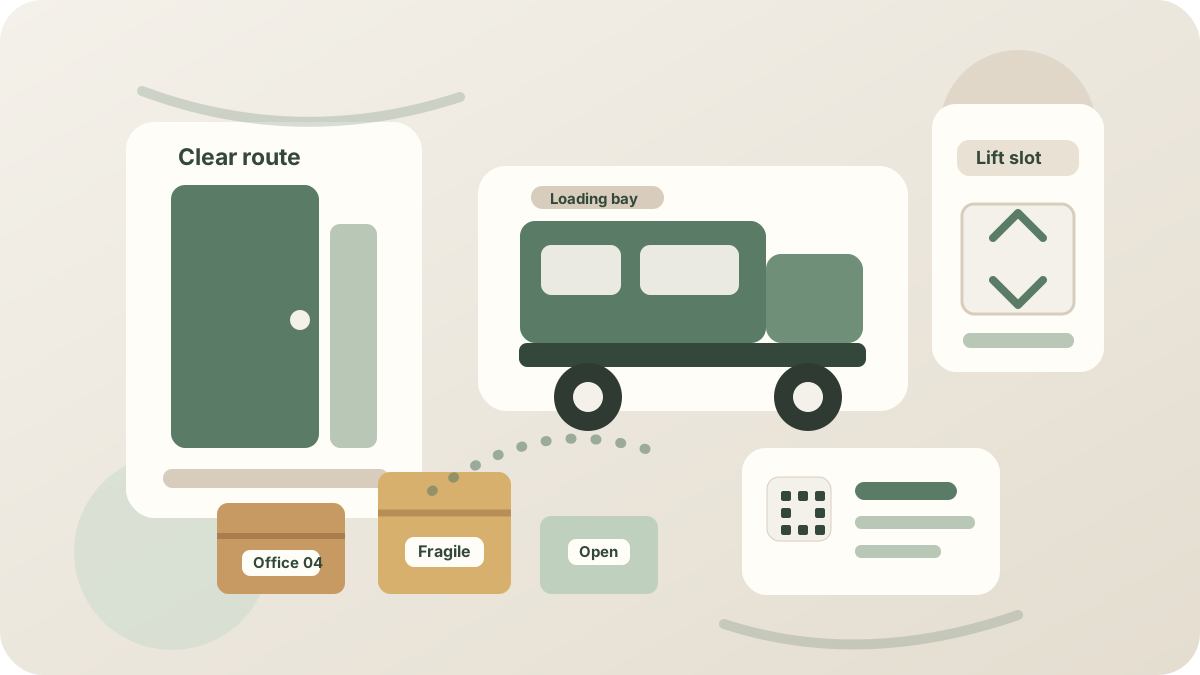
Moving day access is about making the route obvious before the van arrives. Plan parking, lifts, doorways, clear paths and destination labels so boxes can move straight from vehicle to room with fewer delays.
Access planning
The easiest box to move is the one with a clear path.
Nothing makes moving day feel longer than a van circling the block, a lift that cannot be used, a sofa stuck at a doorway or a team carrying boxes much farther than expected.
Access is not the most exciting part of moving. It is also one of the most useful things to sort before the day begins.
Good access saves time, reduces damage risk and helps helpers or movers put boxes in the right place instead of dropping everything in the nearest empty room.
The goal is simple: make the route from box to van, and from van to room, as obvious as possible.
1. Plan the parking before you plan the loading.
The van does not need to be perfect. It does need to be close enough for safe, steady loading.
A long carry turns every box into a bigger job. It slows the day down, increases tiredness and raises the chance of bumps, drops and damaged corners.
Before moving day, check the parking rules at both addresses. Look for loading restrictions, permit zones, private roads, shared drives, underground car parks, narrow lanes and places where large vehicles cannot wait safely.
If you need permission to reserve a space, suspend a bay, use a loading area or bring a vehicle onto private land, apply early. Rules and notice periods vary, so do not leave it until the morning of the move.
If formal reservations are not available, speak to neighbours, building staff or anyone who controls access a few days ahead. A polite conversation is not a guarantee, but it often prevents surprise friction.
2. Tell movers about access problems before the day.
If you are using a removal company, be upfront about the route.
Tell them if the van cannot park close to the door, if the street is narrow, if there are steps, if the lift is small, if there are tight turns or if large furniture may need special handling.
This is not about making the move sound difficult. It is about giving the team enough information to bring the right vehicle, enough people and the right equipment.
Some moves need a smaller vehicle to shuttle items between the property and a larger van parked elsewhere. Some need extra time for stairs or a long carry. Some need furniture dismantled before the team arrives.
Surprises cost more energy than problems that are planned for.
3. Check the building rules.
Flats, apartments, managed buildings, student accommodation and shared developments can have their own moving rules.
There may be a booking system for lifts, a preferred loading bay, restricted moving hours, a concierge process, a service entrance or protective padding that needs to be fitted before bulky items are carried through.
Ask early. Then write the details down somewhere visible.
If a lift needs to be booked, confirm the date and time. If a loading bay needs a permit, keep it with your moving paperwork. If doors need codes, keys or fobs, make sure the right person has them before the van arrives.
A locked service door can waste more time than an unpacked kitchen.
4. Measure the awkward parts.
Most boxes fit through most doors. Furniture is different.
Before moving day, measure the items most likely to cause trouble: sofas, wardrobes, mattresses, desks, tables, large appliances and anything with glass, legs or delicate corners.
Then check the route. Doorways, staircases, low ceilings, tight landings, turns, gates, lifts and hallways all matter.
If something looks too tight, decide before the day whether it should be dismantled, wrapped, carried a different way or handled by someone with specialist experience.
Do not wait until three people are holding a sofa halfway up the stairs to discover the legs needed to come off.
5. Clear the moving route.
The moving route is the path from the room, through the property, out of the door and into the vehicle.
Clear it before anyone starts lifting. Move shoes, rugs, pet bowls, bikes, bins, plant pots, toys, cables, loose mats and low furniture out of the way.
Open doors fully where possible. Protect corners that are likely to be knocked. Check steps, thresholds and uneven surfaces. If the weather is wet, think about floor protection and towels near the entrance.
Professional movers often bring equipment, but they still need space to use it. A sack truck, dolly or trolley only helps if the route is clear enough to roll through.
Less clutter in the path means fewer pauses, fewer questions and fewer avoidable marks on walls and floors.
6. Make the destination rooms obvious.
Access is not only about getting items into the home. It is also about getting them to the right place once they arrive.
If helpers do not know where boxes belong, they will ask you repeatedly or create a pile in the nearest room. That pile then becomes a second move inside the house.
Use clear room names. Put signs on doors. Keep labels simple enough to read quickly.
For example, “Bedroom 1”, “Kitchen”, “Office” and “Storage” are easier than labels that only make sense to you. If a room has a temporary name, use that name on every box and every door sign.
PackQR helps here because your outside label can stay practical and privacy-safe: room, box number and handling flags. The detailed contents can stay in the app, ready to scan or search when you need them.
7. Keep a no-load zone.
Every move needs a place for things that should not go into the van.
This might include keys, phones, chargers, medication, passports, documents, pet supplies, children’s comfort items, cleaning supplies, the Open First box, snacks and anything travelling with you personally.
Put these items in a clearly marked area and tell every helper or mover that they stay there.
This is especially important when the carrying route is busy. A well-meaning helper can accidentally load the one bag you needed to keep with you.
When in doubt, separate it physically, label it clearly and keep it out of the moving path.
8. Do one final access check before the van arrives.
On the morning of the move, walk the route once.
- Is the parking space still available?
- Are the doors, gates, lifts and loading areas accessible?
- Are keys, fobs or codes ready?
- Is the route clear of loose items?
- Are fragile, heavy and unpack-first boxes easy to identify?
- Are pets, children and no-load items away from the main path?
This check only takes a few minutes. It can save repeated interruptions once the move is underway.
Do not let access become the hidden problem.
A calm moving day is not only about packed boxes. It is about movement.
Where does the van stop? Which door is used? Which lift is booked? Which route is safe? Which room does each box go to?
Answer those questions early and the day becomes easier for everyone involved.
When released, PackQR will let you keep the box side simple: room labels, box numbers, handling flags and private searchable contents. That means helpers can move quickly without needing to know every personal item inside each box.
Good access gets your belongings through the door. A good box system helps them land in the right place.
General information: This guide is practical information, not legal, financial, medical or regulated professional advice. Requirements and risks vary by location and circumstances.