At a glance
A practical guide for students in shared houses covering labels, colour coding, cupboard inventories, holiday packing and term-time storage.
Shared student storage
Start with quiet labels, not arguments
Living with housemates means shared spaces and repeated “is this yours?” moments. The easiest fix is to mark your things before confusion starts.
- Use discreet marks on chargers, power banks, reusable food boxes and small appliances.
- Pick a colour for kitchen items, cleaning supplies or storage bins using small stickers or electrical tape.
- Keep valuables out of shared spaces when possible, especially documents, medication and expensive tech accessories.
The goal is not to label every object in the house. It is to make everyday items easier to identify when everyone owns similar things.
Make shared cupboards easier to navigate
A quick photo of your shelf or food box can prevent accidental cupboard raids and duplicate shopping. This is especially useful in busy kitchens where bags, tins and cleaning supplies all end up pushed together.
For longer-term storage, keep one labelled bin for your own dry goods or spare kitchen items. If something is not used every week, it should not be floating loose in a communal cupboard.
Avoid the charger black hole
Chargers are the classic shared-house disappearing act. Put a small mark on your cables, plugs and power banks. Keep a spare cable in your room rather than lending your only one on a busy deadline week.
For more expensive electronics, record serial numbers, photos and receipts somewhere safe. That record can help with warranty claims, insurance or simply remembering which model you own.
Pack between terms with three piles
When the holidays arrive, do not sweep the whole room into random bags. Use three clear piles before anything goes into storage.
- Take home: laptop, chargers, important documents, medication, valuables and clothes you will need during the break.
- Store: bedding, kitchenware, books, winter or summer clothing, and items you will need again next term.
- Donate or recycle: clothes you did not wear, duplicate kitchen items, old notes you no longer need and anything broken or expired.
Being ruthless at the end of term makes September much easier. If you did not wear it, read it or use it this year, think carefully before storing it again.
Future-proof your storage boxes
If boxes are going into a locker, a parent’s garage, a friend’s spare room or the corner of a shared house, label them clearly enough for September you to understand.
Avoid vague labels like “Uni stuff”. Use practical names such as “Kitchen - plates and pan”, “Winter clothes”, “Desk and stationery” or “Bedding”. Place labels on the side you will actually be able to see.
Use a simple digital list for boxes you will not see for months
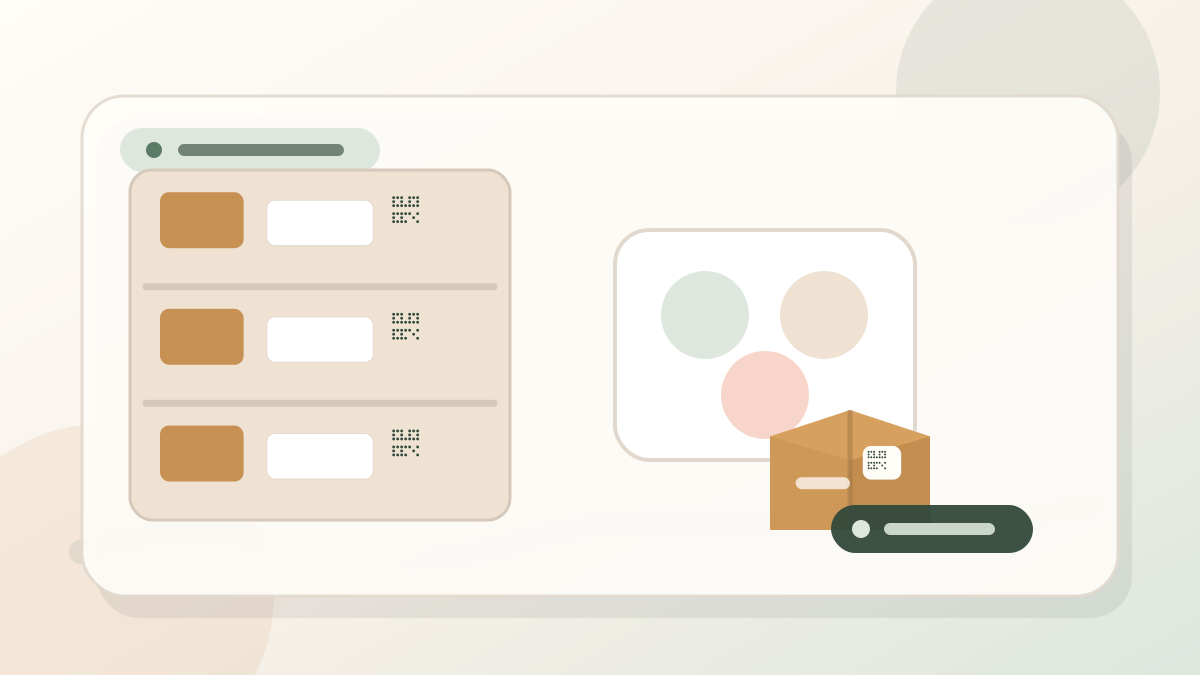
Long breaks are long enough to forget what went where. PackQR is designed to let you add a QR label to each bin or box, list what is inside, and search later for “winter boots”, “textbooks” or “extension lead”.
That makes the return to university less of a guessing game. You can open the box you need first, leave the rest sealed, and avoid turning your room into a cardboard explosion on day one.
Keep shared living simple
The best student storage system is the one people will actually use. Small labels, colour coding, quick photos and a searchable box list are enough to reduce confusion without turning your room into a warehouse.
General information: This guide is practical information, not legal, financial, medical or regulated professional advice. Requirements and risks vary by location and circumstances.