
At a glance
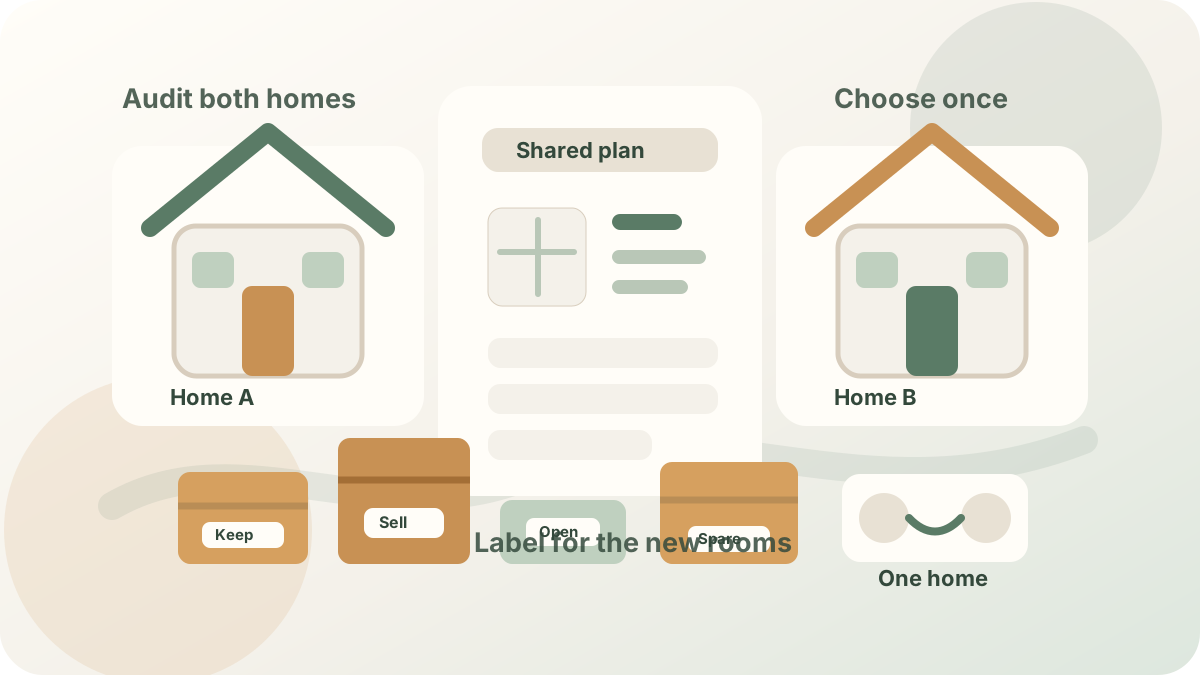
Moving in together works best when the decisions happen before the van arrives. Audit duplicates, keep the best or most meaningful item, measure the new rooms, clear surplus early, give each partner clear moving-day roles and make shared boxes searchable from the start.
Moving in together
Two homes need one calm plan.
Moving in with a partner is exciting, but it can also expose every small decision you have both been avoiding. Who keeps the sofa? Which mugs come with you? Does the spare toaster deserve a box, a buyer or a polite goodbye?
The easiest mistake is treating a shared move like two separate moves happening on the same day. That creates duplicated boxes, crowded rooms and awkward conversations at the worst possible moment.
A calmer approach is to merge before you pack. Decide what belongs in the new home, what should be sold or donated and what needs a temporary holding place. Then pack the shared home, not just the old ones.
The goal is not to erase either person’s history. It is to make space for the life you are building together.
1. Start with a shared inventory.
Before boxes, tape or van hire, make a list.
Walk through both homes and record the main categories: furniture, kitchenware, appliances, bedding, towels, tools, books, paperwork, sentimental items, hobby gear, cleaning supplies and anything currently living in cupboards, lofts, garages or under beds.
A shared spreadsheet is enough. You do not need perfection. You need visibility. Put both versions of duplicate items on the same line so decisions are easier: two kettles, two vacuums, two desks, two sets of pans, two televisions, two dining tables.
Do this several weeks before moving day. The earlier you find the duplicates, the more options you have. You can sell useful items, arrange charity collection, offer things to family, recycle responsibly or set aside a small number of genuine spares.
Leaving those decisions until the final weekend usually means everything gets moved, including things neither of you wanted.
2. Use the “best fit” rule for duplicates.
When you both own the same kind of item, start with the practical question: which one best fits the shared home?
That might mean the newer washing machine, the quieter vacuum, the smaller desk, the better mattress or the sofa that actually fits through the new front door. Quality matters, but so do measurements, running costs, warranty, condition and how the item will be used.
Try to make these comparisons as objective as possible. “Mine is better” is a quick route to tension. “This one is newer, smaller and already fits the floor plan” is easier to discuss.
For kitchen items, keep the strongest set rather than every spare. One reliable set of knives, pans, plates and cooking tools is easier to unpack and store than two half-kept kitchens. Keep useful extras only where they have a clear purpose, such as hosting, batch cooking or replacing worn-out basics later.
The winner should not always be the most expensive item. It should be the one that earns its space.
3. Give sentimental items a fair route.
Not every decision can be made with a tape measure.
A dining table may be scratched but inherited. A chair may look awkward but carry family history. A box of old photos, letters or keepsakes may not be useful in the everyday sense, but still matters.
Make space for that kind of value. If one partner’s item has real emotional weight and the other item is easy to replace, the sentimental piece deserves proper consideration.
That does not mean every memory object automatically moves into the main living space. Some items may belong in storage, a memory box, a spare room, a future renovation plan or a carefully chosen display area. The important thing is that they are discussed respectfully instead of dismissed as clutter.
PackQR can help here because sentimental boxes can have private notes and photos without advertising their contents on the outside. A simple label such as “Storage 03” can link to a record that explains what is inside and why it matters.
4. Let the floor plan settle arguments early.
Shared homes often feel bigger in theory than they are in reality.
Measure the new rooms, doorways, staircases, lifts, alcoves and storage areas before deciding what furniture comes with you. If you can, draw a simple floor plan. It does not need to be beautiful. It needs to answer the practical question: where will this actually go?
This is especially useful for sofas, wardrobes, desks, dining tables, beds, bookcases and exercise equipment. A piece may fit in the room but block a radiator, door swing, plug socket or walkway. That is not a good fit.
Use the floor plan as the neutral referee. It is less personal to say “the room only fits one large sofa” than to say “I do not want your sofa”.
Once the layout is agreed, use those destination names on your boxes. Label for the new home, not the old one: Kitchen, Bedroom, Office, Living Room, Utility, Storage, Loft or Donate. Movers and helpers should not need to know which flat the box came from.
5. Clear surplus before it becomes shared clutter.
Once an item has lost its place in the new home, give it a route out.
Sell high-value duplicates early. White goods, solid furniture, electronics, tools and good-quality homeware can take a few weeks to shift, especially if collection needs coordinating. Use clear photos, honest measurements and a deadline.
Donate lower-value but useful items. Kitchenware, bedding, towels, lamps, small furniture and spare appliances may be useful to friends, family, students, local groups or charity shops. Check donation rules before loading the car, especially for upholstered furniture or electrical items.
Recycle or dispose of broken items properly. Do not move a damaged bookcase simply because nobody booked the council collection. Bulky waste, local reuse projects and Household Waste Recycling Centres are often easier to arrange before moving week than during it.
A shared home should not begin as a holding bay for decisions you avoided.
6. Keep some spares, but make them deliberate.
Not all duplicates are waste.
Extra bedding, towels, glasses, mugs, extension leads, basic tools and cleaning cloths can be genuinely useful. The difference is intention. A spare set kept for guests is helpful. Three forgotten boxes of “maybe kitchen stuff” are not.
Create a small, named category for useful spares. Decide where they will live in the new home: airing cupboard, utility cupboard, garage shelf, under-bed storage or a clearly labelled storage box.
Do not let “spare” become a polite word for undecided. If neither of you can say when the item would be used, it probably needs a different route.
This is another place where searchable records help. A box labelled “Household spares 01” is far more useful when the private record lists spare bulbs, batteries, extension leads, guest towels and the small toolkit inside.
7. Stagger the move if two homes are arriving.
If you are moving from separate addresses, avoid having everything arrive at once.
Two vans, two groups of helpers and two sets of furniture can turn a hallway into a cardboard traffic jam. Staggering arrivals by a few hours gives you time to direct the first load, protect walkways and clear space before the second one appears.
Move large furniture first if the layout is fixed. Beds, sofas, wardrobes and desks need the clearest routes and the most decision-making. Boxes can wait in zones around them. If boxes arrive first and fill every room, the furniture has nowhere sensible to land.
Put room signs on doors and agree a no-load zone for essentials, valuables, documents, medication, keys, chargers and the first-night box. If something must travel with you personally, do not leave it beside the main pile.
A calm shared moving day is mostly a traffic-control exercise.
8. Divide roles, not blame.
Moving in together can create hundreds of tiny “where does this go?” decisions. If both of you answer every question, the day slows down. If neither of you answers, everything gets dumped in the nearest room.
Split the responsibility by area. One person might lead kitchen setup while the other handles bedroom, wardrobe and bathroom basics. One person can manage movers and parking while the other protects documents, keys and essentials.
Agree the roles before moving day. That keeps decisions calmer and stops one partner becoming the default project manager for the entire home.
Use the same system for helpers. They do not need the full history of every object. They need visible labels, room names and clear handling notes. “Kitchen 04 — fragile” is useful. “From my old flat, maybe going in the cupboard unless we change our minds” is not.
9. Pack one shared Open First box.
The first night should feel like the beginning of the home, not the end of a long argument with cardboard.
Pack one shared Open First box or bag and keep it with you. Include bedding, towels, toiletries, toilet roll, medication, chargers, basic tools, bin bags, cleaning wipes, mugs, tea or coffee, snacks, water and whatever you need for a simple breakfast.
Add small comfort items too. A favourite blanket, lamp, speaker, candle, book or framed photo can make the first night feel less temporary. It does not have to be perfect. It just has to feel intentional.
If you are both arriving from different homes, avoid two separate survival kits that each contain half of what you need. Build one box for the shared first night and make sure both of you know where it is.
Mark it clearly in PackQR as Open First so it stands out from ordinary boxes when tiredness takes over.
10. Keep the box system neutral.
When two households merge, labels can quietly matter.
Boxes labelled “his stuff” and “her stuff” may be fine for transport, but they are not always helpful once you are trying to create shared rooms. Use destination labels where possible: Kitchen, Bedroom, Office, Living Room, Storage, Utility, Guest Room.
For personal items, be clear without turning the home into territories. Wardrobe A, Wardrobe B, Desk A, Desk B or Personal 01 can be more practical than vague or loaded labels.
Keep private details inside the record, not on the box. Jewellery, documents, electronics, sentimental items and personal paperwork should not be advertised to everyone helping with the move.
PackQR lets the outside label stay simple while the contents list stays searchable on your device. That makes it easier to unpack together without exposing everything to movers, friends or neighbours.
Build the shared home before the box mountain arrives.
Moving in together is not just a practical step. It is a negotiation of space, habits and histories.
Start with the inventory. Compare duplicates fairly. Respect sentimental value. Let the floor plan make hard decisions. Clear surplus early. Keep useful spares deliberately. Stagger arrivals, divide roles and pack one shared Open First box.
Then make every box easy to understand.
PackQR is being developed as a private, pay-once moving box scanner for iPhone and iPad. Create boxes, add contents, print privacy-safe QR labels, scan when you need the detail and search your local records after the move.
Because the best shared home is not the one where every item wins a place. It is the one where every item that stays has a reason.
General information: This guide is practical information, not legal, financial, medical or regulated professional advice. Requirements and risks vary by location and circumstances.