
At a glance
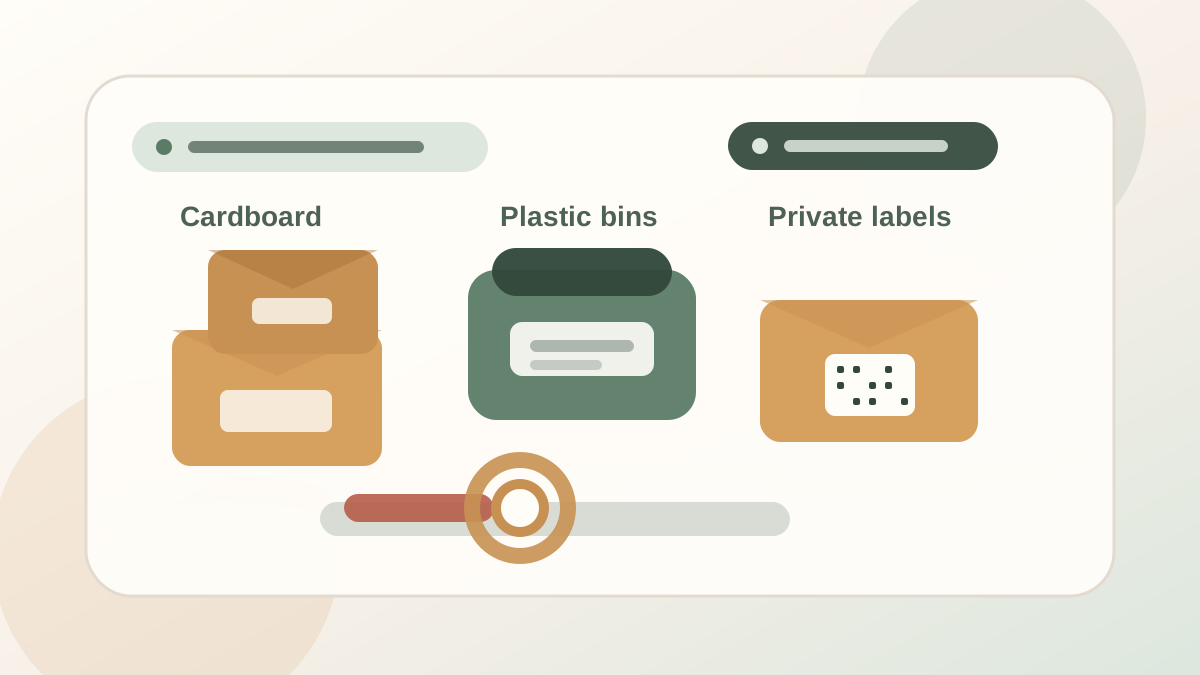
The right packing materials protect your belongings and make unpacking easier. Use strong small boxes for heavy items, larger boxes for light bulky items, protective padding for fragile pieces and simple labels that keep contents private.
Packing supplies
Start with the right materials, not more materials.
The physical act of packing is easy to underestimate. A few empty boxes look like plenty until you start wrapping glasses, padding gaps, separating fragile items and keeping essentials aside.
The aim is not to fill every container you can find. The aim is to get your belongings to the new home safely, keep the load manageable and make each box useful when it lands in the right room.
That means choosing the right mix of cardboard boxes, plastic bins, protective wrap, tape and labels before the pressure of moving day builds.
1. Cardboard boxes and plastic bins both have a job.
There is no single perfect moving container. Cardboard boxes and plastic storage bins solve different problems.
Cardboard boxes are the standard for a reason. They are lightweight, affordable, easy to stack in a van and simple to flatten after the move. Use small or medium boxes for heavy items such as books, paperwork, tools and kitchenware. Use larger boxes for light items such as bedding, towels, cushions and out-of-season clothing.
For anything heavier than clothes, choose double-walled cardboard where possible. It stacks better, protects better and is less likely to collapse when boxes are loaded two or three high.
Plastic bins are better when moisture, crushing or long-term storage are the concern. They are useful for lofts, garages, sheds, storage units, electronics, sentimental items, seasonal decorations and anything you may not unpack straight away.
The trade-off is cost and flexibility. Plastic bins are more expensive, take up space when empty and can be awkward in the van because they do not always fit neatly into the removal-day puzzle.
A practical rule: use cardboard for the move, plastic bins for the things that may become storage.
2. Free boxes are useful, but consistency matters.
Asking neighbours, supermarkets or local groups for spare boxes can be a good starting point. Free boxes are useful for lightweight, low-risk items.
Before you use them, check three things: are they clean, are they dry and are the corners still strong?
The problem with scavenged boxes is usually not quality. It is consistency. Mixed sizes are harder to stack, harder to load safely and harder to label clearly. A van full of random box shapes can waste space and make heavier boxes more likely to shift.
As your move date gets closer, a bulk order of strong, matching boxes can be worth it. Consistent sizes help your removal team, protect your belongings and make your own box records easier to follow.
You do not need premium boxes for everything. Use free boxes where they make sense, then buy a reliable set for fragile, heavy or important items.
3. Protect the awkward items properly.
Standard boxes are only one part of packing. Some belongings need different protection.
Use packing paper or bubble wrap for glasses, ceramics, ornaments and small fragile items. Fill empty gaps so things cannot move inside the box. A well-padded box should not rattle when you gently lift it.
Use moving blankets or furniture pads for tables, cabinets, wardrobes, mirrors, headboards and other large items. Bubble wrap is useful for small impact protection, but blankets are better for scratch prevention and structural protection.
Use stretch wrap carefully. It can keep drawers closed, protect fabric from dust and bundle items together, but it should not be wrapped directly around delicate wood finishes for long periods.
For televisions, monitors, framed pictures and mirrors, use the original box if you still have it. If not, use a specialist picture or TV box, protect the corners and keep the item upright.
For mattresses and upholstered furniture, use covers to protect against dirt, damp and scuffs during loading.
4. Rental crates can work if you unpack quickly.
Heavy-duty plastic crate rental can be a good option for organised moves. The crates are reusable, sturdy and often easier to stack than mixed cardboard boxes.
The catch is time. Rental crates need to be returned, so they work best for items you plan to unpack immediately after arrival.
If you already know that some boxes will sit in a spare room for weeks, rental crates may create pressure rather than calm. In that case, cardboard boxes or your own plastic bins may be the better choice.
If you do use rental crates, label the destination room clearly and keep your inventory accurate. Paying for crates that are still full a month later is frustrating and avoidable.
5. A quick guide to what goes where.
Use the smallest sensible container for heavy items and the largest sensible container for light, bulky items.
- Books and paperwork: small double-walled boxes. Heavy items need a small footprint.
- Kitchenware: medium boxes with packing paper, bubble wrap or dividers. Keep the weight manageable.
- Linens, pillows and towels: large boxes, bags or vacuum bags. They are bulky but light.
- Electronics: original boxes, rigid cardboard or plastic bins. Add padding and keep cables with the right device.
- Furniture: moving blankets, corner protectors and careful wrapping. Protect surfaces before they enter the van.
- Screws, brackets and small parts: sealed bags taped inside furniture or recorded with the relevant box.
6. Do not save labelling until the end.
Good packing materials protect your belongings. Good labels protect your time.
Label each box as you pack it. At minimum, record the room, box number and any handling note such as heavy, fragile, liquids, unpack first or keep upright.
Avoid writing private contents on the outside of the box. Labels such as “laptops”, “passports”, “jewellery”, “medical records” or “expensive camera kit” may be useful to you, but they are also visible to movers, neighbours and anyone passing the van.
PackQR is designed for this trade-off. The outside of the box can stay simple and privacy-safe, while the contents, notes, photos and room details stay in your local app record.
Scan the QR label when you need the detail. Search the app when you cannot remember which box holds the spare charger, coffee grinder, extension lead or school shoes.
The supplies worth having before you start.
You do not need a warehouse of packing gear. You do need a few reliable basics.
- Small and medium double-walled boxes for heavy or fragile items.
- Large boxes for soft, light items.
- Strong packing tape and a tape dispenser.
- Packing paper, bubble wrap or reusable padding.
- Moving blankets or furniture pads for large pieces.
- Zip bags or envelopes for screws, cables and small parts.
- Clear labels that show room and handling notes without exposing private contents.
The best supply is the one that removes a decision later. If a material helps protect an item, guide a helper or make a box easier to find, it has earned its place.
Pack for arrival, not just departure.
Moving is not only about getting everything out of one home. It is about being able to function in the next one.
Choose boxes you can lift. Protect valuables before they become urgent. Keep heavy items small and soft items large. Use rental crates only where the return deadline will not add pressure.
Then label and record each box while the contents are still in front of you.
With PackQR, every box can have a simple outside label and a private inside record. That means your packing materials do more than protect your things. They help you find them again.
General information: This guide is practical information, not legal, financial, medical or regulated professional advice. Requirements and risks vary by location and circumstances.