
At a glance
Pack photographs and loose prints flat in clean, photo-safe enclosures. Use rigid support to prevent bending, keep paper away from moisture and avoid placing heavy boxes on top. Roll only flexible posters that cannot travel flat, and give them time to relax naturally after the move.
Paper collections
Paper needs more than a cardboard box.
Prints, posters and photographs are easy to underestimate during a move. They are light, thin and often left until the final stages of packing.
That is when damage happens.
A loose photograph can slide beneath a box flap. A poster can be crushed by furniture. A stack of prints can absorb damp from a garage floor or pick up marks from newspaper ink.
The aim is not to turn every family photograph into a museum object. It is to use clean materials, stop paper from moving or bending and make sure important items are handled properly throughout the journey.
1. Sort the collection before packing it.
Different paper items need different protection. Begin by separating the collection into a few practical groups:
- Loose photographs and postcards.
- Small prints and documents.
- Large prints and posters.
- Framed photographs and artwork.
- Brittle, damaged or unusually valuable pieces.
This gives you a chance to notice torn edges, loose frames, cracked glazing or photographs that are already sticking together.
Take a few condition photos before packing anything valuable or irreplaceable. These can help with insurance, but they are also useful when checking the collection after arrival.
Do not try to repair delicate paper during the pressure of a move. Protect it as it is and deal with conservation work later, when you have a clean space and enough time.
2. Put archival protection inside the moving box.
A standard moving box can provide useful outer protection, but it should not be the only layer touching important paper.
Old newspaper, printed leaflets and dirty reused packaging can transfer ink, dust or moisture. Some ordinary papers and cardboards may also become acidic as they age, contributing to yellowing or brittleness during long-term storage.
For photographs, prints and documents that matter, use clean enclosures described as acid-free, lignin-free or photo-safe. Depending on the item, that might include:
- Individual photograph sleeves.
- Acid-free folders.
- Archival tissue or conservation paper.
- Photo storage boxes.
- Rigid archival portfolios.
You do not need archival materials for every disposable printout. Prioritise original photographs, signed prints, limited editions, certificates, historic documents and anything with strong sentimental value.
3. Pack loose photographs and prints flat.
Flat packing is usually the safest choice for photographs and smaller prints.
Place each item in a suitable sleeve or folder. When several items share a box, use clean acid-free tissue or paper between delicate surfaces so they cannot rub against one another.
Add rigid support above and below the stack. Archival board is ideal, but clean, smooth card can provide useful short-term protection if it does not touch the artwork directly.
Choose a box or portfolio that fits the contents closely enough to stop them sliding. Fill unused space with clean packing material, but do not compress the paper.
Keep the box flat and mark it clearly:
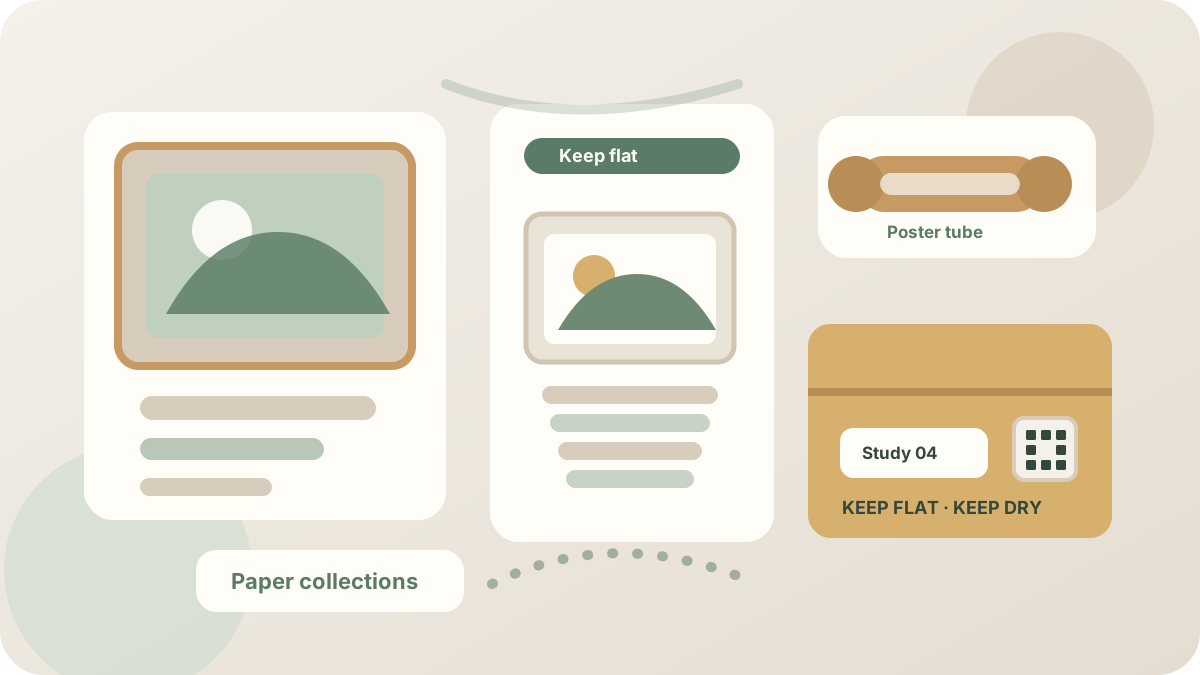
KEEP FLAT — DO NOT BEND — KEEP DRY
Do not place books, kitchenware or other heavy belongings on top. Paper may not break in the obvious way that glass does, but pressure can leave permanent creases, surface marks and crushed edges.
4. Use poster tubes selectively.
Poster tubes are useful when a large, flexible poster cannot travel flat. They protect against folding and take up less space than a large portfolio.
The trade-off is curl. Paper kept in a tight roll may resist lying flat when it is unpacked.
Choose a rigid, heavy-duty tube that will not collapse in the van. The tube should be wider than the poster so the edges are not forced against the ends.
Before rolling, place the poster against a larger sheet of acid-free tissue or conservation paper. Roll it loosely around a wide core where possible. A wider roll creates less tension than forcing the paper into a narrow tube.
Do not overfill the tube. Several posters squeezed together can rub, crease or become difficult to remove.
Avoid rolling brittle paper, heavily textured prints, mounted work or anything with paint, collage materials or raised details. These items are safer packed flat or handled by a specialist.
Label the tube with its destination room, a reference number and a simple handling note. Do not rely on its shape to make the contents obvious.
5. Treat framed pieces differently.
Framed photographs and prints need protection from scratches, broken glazing and damaged corners.
Cover the face with a clean, non-abrasive layer before adding bubble wrap or other padding. Protect all four corners and make sure the frame cannot move inside its picture box.
Keep framed pieces upright rather than stacking them flat beneath other belongings. A pile of frames may look stable, but pressure from above can crack glazing, distort frames and damage the artwork inside.
Use practical handling labels such as:
- Fragile.
- This way up.
- Do not stack.
- Keep dry.
- Glass front.
If the frame contains old or valuable glass, or the artwork is already loose inside it, consider transporting it in your own vehicle or asking a professional art mover for advice.
6. Protect paper from temperature and moisture.
Paper absorbs moisture from the surrounding air. Photographs and prints can curl, stick together, develop mould or suffer surface damage when left in damp conditions.
Keep paper collections away from wet floors, open van doors and boxes containing liquids. Do not store them temporarily in a damp cellar, shed or garage.
Rapid temperature changes can also cause condensation. This is especially important during long-distance moves, when a removal vehicle may become very hot during the day or cold overnight.
Carry the most precious photographs, documents and small prints in your personal vehicle where possible. A stable, dry environment and closer supervision can remove a lot of unnecessary risk.
After arrival, let boxes adjust to the indoor temperature before opening them if they have travelled through very hot or cold conditions.
7. Keep the handling instructions public and the contents private.
A box of family photographs needs clear handling instructions. It does not need a detailed description of the people, dates or documents inside written across the outside.
Use the visible label for information that helps the person carrying it:
- Destination room.
- Box number.
- Keep flat.
- Do not stack.
- Keep dry.
- Open carefully.
Keep the detailed inventory somewhere private. Record the photograph albums, poster titles, print editions or document groups while they are still in front of you.
With PackQR, the outside of the box can stay simple while item names, photos, condition notes and other details remain in the private box record.
That makes it easier to find a particular album or poster later without opening every paper-storage box in the house.
8. Flatten rolled posters slowly after the move.
Do not force a tightly rolled poster flat as soon as it leaves the tube. Paper fibres need time to relax, and sudden pressure may cause cracking or creasing.
Unroll the poster carefully on a large, clean surface. Place clean conservation paper above and below it, then use smooth, flat weights around the edges.
Large books can work as temporary weights, provided they are clean and do not touch the poster directly. Spread the pressure evenly rather than placing one heavy object in the centre.
Leave the poster for several days and check it gradually. A stubborn curl may take a week or longer to settle.
Avoid irons, hairdryers, steam and improvised moisture treatments. Heat and humidity can distort the paper, affect inks and create damage that is harder to reverse than the original curl.
Do not reverse-roll brittle, valuable or heavily printed posters. When an item is historically important or already damaged, a paper conservator is the safer option.
9. Unpack paper collections in a clean space.
Special collections do not need to be opened during the first hour in the new home.
Wait until you have a dry room, clean hands and enough clear surface space. Keep drinks, food, tools and unpacking debris away from the area.
Check the contents against your record as you unpack. Look for moisture, bent corners, cracked frames or anything that may have shifted during the journey.
Keep the packing materials until you know everything has arrived safely. Archival folders, sleeves and boxes can then become part of the collection’s permanent storage rather than another moving-day expense that is immediately discarded.
Protect the story, not just the paper.
A photograph can be reprinted, but the original may still carry handwritten notes, familiar wear or a connection that a replacement cannot reproduce. The same is true of a concert poster, a local print or a piece of family history.
Use clean materials. Keep loose items flat. Roll only when the paper can tolerate it. Control moisture, pressure and handling, then record where everything has gone.
With a little preparation, your paper collection can arrive in the new home ready to be stored, framed and enjoyed again.
General information: This guide offers general packing and storage information, not specialist conservation or insurance advice. Fragile, historic or high-value works may need assessment by a qualified paper conservator or specialist art mover.