
At a glance
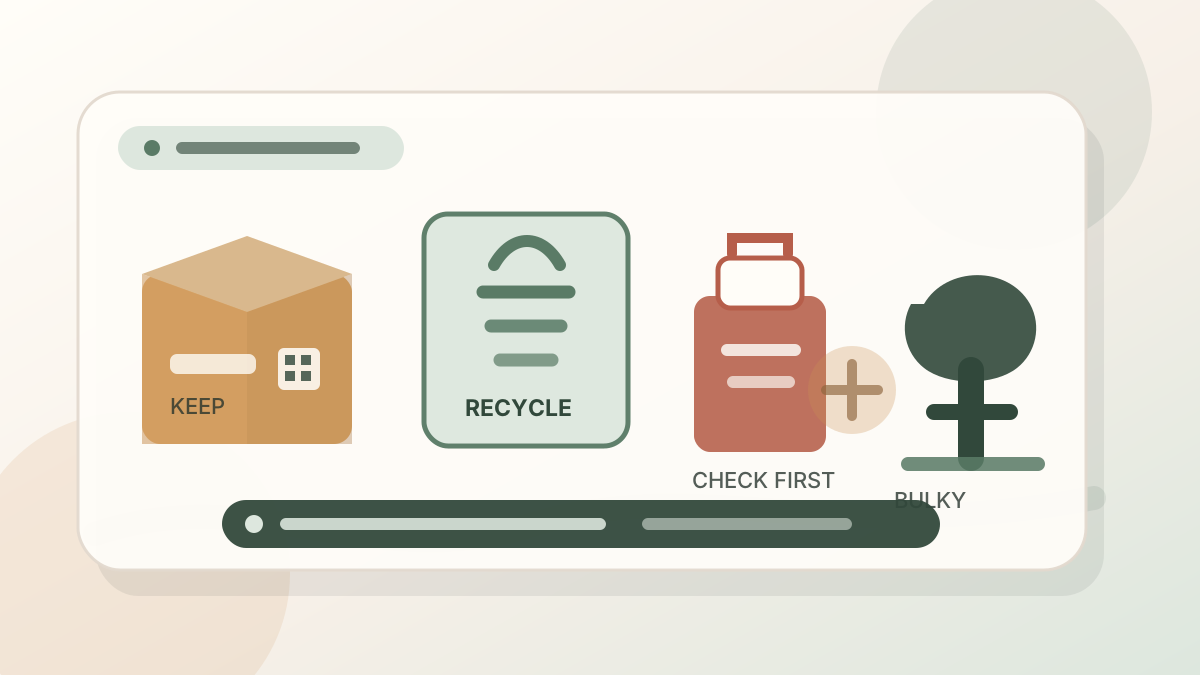
Difficult disposal is the part of decluttering that needs a proper route. Separate hazardous, electrical, bulky and textile items early so you do not pay to move things that need to be recycled, donated or handled responsibly.
Difficult disposal
Clear the awkward items before moving day.
When you are preparing for a move, the first sort is usually straightforward. Some things can be sold. Some can be donated. Some can be packed for the new home.
Then you find the difficult items: old paint, half-used cleaning products, broken electronics, mystery cables, worn-out furniture, stained textiles and things that feel too useful to throw away but too damaged or awkward to pass on.
This is the part of moving people often leave too late. Handled well, difficult disposal makes your move lighter, safer and more organised. Handled badly, it creates last-minute stress, extra removal costs and boxes of things you never really wanted to move.
1. Paint, chemicals and oils
Some items should never go into general household waste, down the sink or into an outside drain.
Paint, solvents, pesticides, weed killers, oils and strong cleaning chemicals can cause environmental damage if they are disposed of incorrectly. They may also be rejected by regular waste collections.
If the paint is still usable, see whether it can be passed on before you dispose of it. Local community projects, schools, theatre groups, charities or schemes such as Community RePaint may be able to use it.
If the paint is no longer usable, check your local Household Waste Recycling Centre. Many have dedicated areas for paint and other household hazardous materials.
For small amounts of water-based paint, some councils may accept it once it has fully dried out. Cat litter or sawdust can help solidify what remains in the tin, but always check your local council guidance before putting it out as waste.
Do not mix chemicals together. Keep them in their original containers where possible, with labels intact. If you find unlabelled bottles, old garden chemicals, pesticides, engine oil or strong solvents, check your council’s waste guidance before moving them.
2. Electronics, cables and small appliances
Most homes have at least one drawer full of old chargers, tangled cables, broken headphones and unused devices.
It feels like clutter, but it is not ordinary waste. Electronic items can contain materials that should be recovered and components that should not go to landfill.
That includes phones, tablets, laptops, kettles, toasters, lamps, hairdryers, games consoles, power banks, batteries and chargers.
Many electronics retailers offer take-back or recycling schemes, especially when you are buying a replacement item. Some stores also provide collection points for small electricals and batteries.
For phones, tablets, laptops and smart devices, check the manufacturer’s recycling or trade-in options. Before handing over any device, remove personal data, sign out of accounts and reset it where appropriate.
A useful moving rule: if it has a plug, battery, cable or charger, check before you bin it.
3. Furniture that cannot be sold or donated
Some furniture is easy to rehome. Some is not.
A table with scratches may still be useful. A broken wardrobe, stained mattress or sofa without the correct label is more difficult.
In the UK, charities usually cannot accept upholstered furniture without a visible fire safety label. This includes many sofas, armchairs, mattresses and padded furniture items.
If the label is missing, do not try to donate it. It may be refused, and the charity may then have to pay to dispose of it.
If you cannot transport a large item yourself, check your council’s bulky waste collection service. This is usually a paid service, but it is often the most reliable route for large items that cannot be sold, donated or safely reused.
Be cautious with suspiciously cheap clearance offers. Ask whether the company has a valid Waste Carrier Licence. If your items are fly-tipped, you may still be responsible for the waste.
4. Textiles, bedding and soft items
Not every textile belongs in a charity bag.
Good-quality clothes, bedding and curtains may be suitable for donation. Items that are badly stained, ripped or worn out may not be accepted for resale.
That does not always mean they need to go to landfill. Look for textile recycling banks at supermarkets, recycling centres or local collection points. Some damaged textiles can be shredded and reused for insulation, padding or industrial rags.
Before you donate, separate items into three simple groups: good enough to reuse, too worn to reuse but suitable for textile recycling, and not recyclable because it is contaminated, wet, mouldy or heavily soiled.
That small bit of sorting helps charities, recycling facilities and your future moving-day self.
5. Why responsible disposal matters
Moving already creates a lot of waste. Cardboard, tape, packaging, broken items, old furniture and forgotten garage contents can all build up quickly.
When everything is rushed, it is tempting to throw too much away or move things you do not actually want. Responsible disposal helps you keep usable items in circulation, send hazardous and recyclable materials to the right place and reduce the number of boxes, bags and bulky items you pay to move.
There is also a practical benefit: you create space before moving day. Fewer unwanted items means fewer decisions later. Fewer boxes means less unloading. Less clutter means the new home starts calmer.
The golden rule: search before you bin
Before throwing something away, check how it should be handled locally. Council rules vary. One area may accept dried paint. Another may not. One recycling centre may take small electricals. Another may require a separate drop-off point.
Use your local council website or Recycle Now to check the right route before you bin, book or drive anywhere.
This is also a good principle for packing. Search before you buy more. Search before you open another box. Search before you assume something is lost.
When released, PackQR will let you create a private record of the things you are keeping, storing or moving. Add box contents, notes, photos and room names as you pack, then scan or search later when you need something.
For items you are disposing of, you can also use your packing process as a final decision point. If an item is not worth recording, storing, repairing, donating or moving, it may be time to let it go properly.
Start the new home with less
Letting go is not just about clearing space. It is about choosing what deserves to come with you.
By dealing with difficult disposal before moving day, you avoid carrying old problems into a new home. You reduce waste, protect your time and make unpacking easier.
Sell what still has value. Donate what someone else can use. Recycle what can be recovered. Dispose of hazardous or broken items through the right channels.
Then pack what remains with care. A lighter move is not only easier to manage. It is a better way to begin again.
General information: This guide is practical information, not legal, financial, medical or regulated professional advice. Requirements and risks vary by location and circumstances.