At a glance
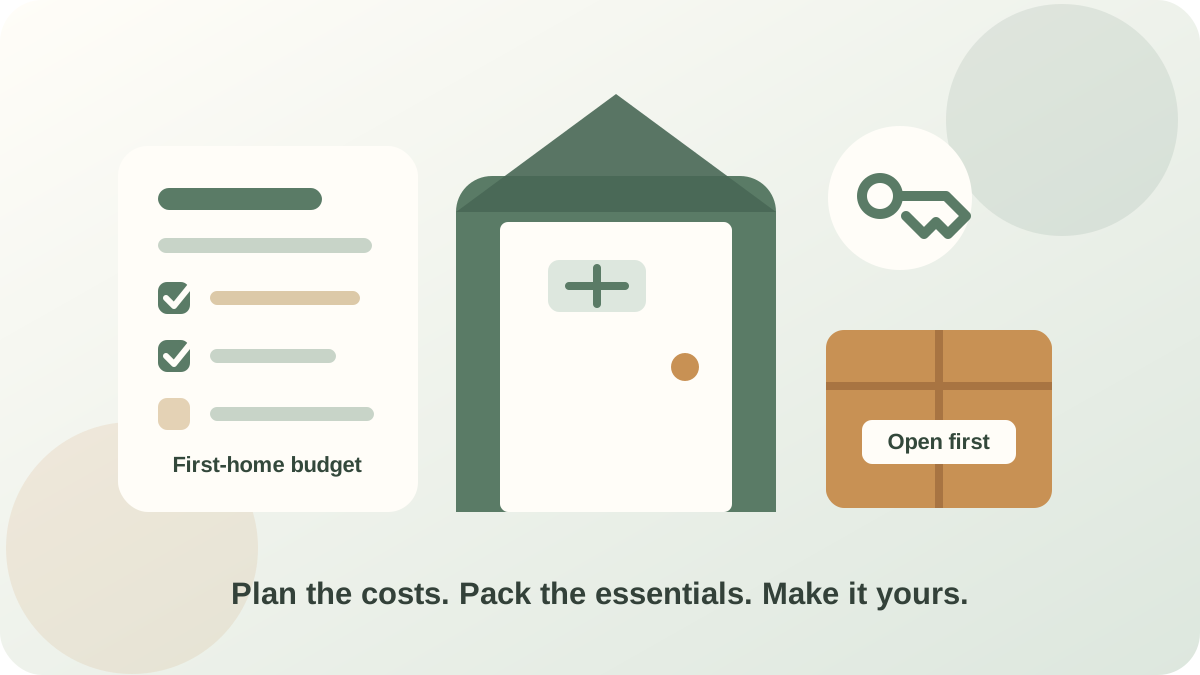
Moving out works best when you plan for more than the monthly rent. Check the full cost of the home, save for the upfront expenses, arrange essential services early and pack the things that will make the first few days usable. Expect the emotional adjustment to take time too. Independence does not need to feel effortless to be going well.
First home
Independence begins before you collect the keys
The idea of moving out often starts with the enjoyable parts.
You imagine choosing your own furniture, cooking what you like, setting your own routines and having a front door that belongs to your life rather than your parents’ household.
Those things matter. A first home can give you privacy, confidence and the space to learn who you are when nobody else is setting the rhythm of the day.
It also brings bills, cleaning, food shopping, maintenance, paperwork and the sudden discovery that useful household items do not appear by themselves.
The aim is not to remove every uncertainty before you leave. It is to make the important parts visible so the first month begins with a plan rather than a series of surprises.
Build a budget for the whole home, not only the rent
Rent is usually the largest monthly cost, but it is not the complete cost of living independently.
Before committing to a property, write down the regular expenses that are likely to follow you each month:
- rent;
- council tax or local charges where applicable;
- electricity, gas and water;
- broadband and mobile phone costs;
- contents insurance;
- food and household supplies;
- transport;
- subscriptions and memberships;
- debt repayments;
- savings and emergency costs.
Housing is often described as affordable when it takes roughly a third of your take-home income. Treat that as a warning light rather than a strict rule. Costs, incomes and local rental markets vary widely.
What matters is the amount left after the rent and essential bills have been paid.
A home may look affordable on the listing but feel very different once travel, food, heating and everyday life are included. Build the budget using realistic numbers, then leave some breathing room for the months when the energy bill is higher or something needs replacing.
Count the costs that arrive before moving day
The first payment is rarely just one month’s rent.
Depending on the property and where you live, you may need money for:
- a tenancy or security deposit;
- rent in advance;
- application, referencing or holding costs where permitted;
- removals, van hire or fuel;
- boxes and packing materials;
- utility or service setup;
- basic furniture and appliances;
- cleaning products and household supplies;
- temporary storage;
- food and transport during the move.
Ask for a clear breakdown before paying anything. Keep copies of agreements, receipts and confirmation emails in one moving folder.
Do not use every available pound to secure the property. Arriving with no money left for food, travel or an unexpected bill can turn an exciting move into an immediate source of stress.
Give yourself an emergency buffer
A savings buffer creates time to respond when life does not follow the budget.
You may need to replace a broken phone, travel unexpectedly, cover a gap in income or buy something essential that the new home does not provide.
Several months of essential living costs can offer useful protection, but that target may not be achievable before every first move. Start with what is realistic. Even a smaller emergency fund is better than relying entirely on credit or hoping nothing goes wrong.
Keep the emergency money separate from the amount set aside for furniture, decorating and non-essential purchases.
A new home does not need to look finished in the first week. Financial breathing room is usually more useful than a perfectly coordinated living room.
Check what the property actually includes
Before signing an agreement, confirm what comes with the home.
Do not assume that photographs, furniture or appliances shown during a viewing will still be there when you arrive.
Ask about:
- furniture and appliances;
- heating and hot water;
- parking or permits;
- broadband availability;
- storage;
- waste and recycling arrangements;
- responsibility for gardens or shared spaces;
- restrictions on decorating, pets or alterations;
- how maintenance problems should be reported.
Look at the practical journey too. Check the route to work, education, shops, medical care and the people you see regularly.
A cheaper property can become expensive if it adds a difficult commute or requires transport you had not included in the budget.
Arrange the services that make the home usable
Some services can be arranged quickly. Others may need an appointment, equipment delivery or installation visit.
Contact electricity, gas, water and broadband providers before moving day where possible. Confirm whether you are opening a new account, transferring an existing service or taking over the supply already connected to the property.
Keep reference numbers and confirmation emails together.
When you move in, photograph relevant meter readings and record the date. If you are renting, photograph the condition of the rooms, appliances, floors, walls and any existing damage before your belongings cover everything.
These records may feel unnecessary on an already busy day. They are much easier to create now than reconstruct later.
Move your address as well as your belongings
Your bank, employer and regular deliveries will not automatically know that you have moved.
Create one address-change list and work through it in groups:
- banks, cards, loans and pensions;
- employer, education and professional records;
- insurance providers;
- doctors, dentists, vets and pharmacies;
- driving, vehicle, voting and government records where applicable;
- subscriptions, memberships and delivery accounts;
- friends and family who regularly send post.
Set up postal redirection or forwarding if it is available in your area. It gives you time to catch accounts and organisations you forgot to update.
Keep important documents with you during the move. Identification, tenancy paperwork, medication records, insurance information and financial documents should not disappear into the back of a van.
Buy the things that make the first week work
It is easy to treat moving out as a shopping project.
Online lists can make it seem as though you need matching furniture, a complete kitchen and a cupboard full of specialist cleaning products before you are allowed to live independently.
You do not.
Start with the items that make the home safe, clean and usable:
- somewhere comfortable to sleep;
- bedding and towels;
- basic cookware, plates and cutlery;
- toilet paper and toiletries;
- washing-up and cleaning supplies;
- bin bags;
- food for simple meals;
- medication and a first-aid kit;
- chargers and extension leads where safe;
- a torch;
- a small set of basic tools.
Borrow, reuse or buy second-hand where it makes sense. Live in the space before purchasing large furniture. The room may work differently once you understand where you naturally sit, eat, work and store things.
Pack an Open First bag
The first night is not the time to discover that your toothbrush, phone charger and clean bedding are in three different boxes.
Pack a bag or small box that stays with you rather than travelling deep inside the moving vehicle.
Include:
- keys and important documents;
- medication;
- phone and laptop chargers;
- toiletries;
- a change of clothes;
- sleepwear;
- towels and bedding;
- basic food and drinks;
- a mug, plate and cutlery;
- cleaning cloths and bin bags;
- anything you need for work or study the next morning.
Make the bed early. Set up one bathroom. Create a simple place to prepare food and charge your phone.
That is enough for the first evening.
Give every box a room and a number
A box labelled “Stuff” may make sense while you are packing. It becomes much less useful when you are tired and looking for the router, frying pan or work shoes.
Give each box a simple room name and number, such as “Kitchen 03” or “Bedroom 06”.
Record the useful contents as you pack. Focus on the things you are likely to search for rather than listing every small item.
PackQR can keep those details in a private, searchable record while the outside of the box stays simple. This helps you find what you need without opening several boxes or writing sensitive contents where other people can see them.
Mark boxes containing first-week essentials, but avoid turning everything into a priority. When every box says “Open first”, the label stops helping.
Expect the emotional change to arrive in stages
Moving out can feel exciting in the morning and strangely lonely by the evening.
The first quiet night may bring relief, pride, homesickness or anxiety. You may miss familiar sounds, shared meals or the simple comfort of knowing that somebody else is nearby.
None of that means you made the wrong decision.
A new home takes time to become familiar. The rooms may feel temporary until your routines begin to settle into them.
Create a few predictable anchors:
- cook one meal you already enjoy;
- keep a regular sleep and waking time;
- unpack one comfortable place to sit;
- learn the local walk to the shop;
- schedule time with friends or family;
- avoid judging the whole experience by the first difficult evening.
You do not need to feel independent every minute to be living independently.
Let your relationship with your parents change gradually
Moving out changes the parent-child relationship, but it does not need to break it.
You may still need advice. Your parents may still worry. Both sides may need time to adjust to new boundaries.
Agreeing to a regular phone call, meal or visit can help everyone feel connected without recreating the old household routine.
Try to separate asking for advice from asking for permission. You can listen to someone’s experience while still making the final decision about your own home, time and money.
Independence is not refusing all help. It is learning which help supports you and which decisions now belong to you.
Learn where the important controls are
You do not need to become an electrician, plumber or property expert.
You do need to know how to respond safely when something basic goes wrong.
During the first few days, locate:
- the main water shut-off valve or stopcock;
- the consumer unit or fuse box;
- the gas shut-off valve if the home uses gas;
- smoke and carbon monoxide alarms;
- the heating controls;
- the maintenance reporting details;
- emergency and out-of-hours contact numbers.
Test alarms and choose a known place for a torch, spare batteries, basic tools and emergency information.
If you rent, understand which problems should be reported to the landlord or property manager. Do not attempt work involving gas, fixed electrics, major plumbing or the structure of the building.
Knowing when not to repair something yourself is part of looking after a home.
Keep the cleaning routine smaller than the problem
Household work becomes overwhelming when every task is delayed until the home needs a complete reset.
Use small routines instead.
Wash dishes before they become a project. Put rubbish out on the correct day. Clean the bathroom regularly. Deal with spills before they become stains. Return things to their usual place when you finish with them.
A simple weekly checklist is enough:
- kitchen surfaces and floor;
- bathroom;
- laundry and bedding;
- bins and recycling;
- vacuuming or sweeping;
- a quick check for leaks, damp or maintenance problems.
The goal is not to create a perfect home. It is to prevent ordinary jobs from becoming emergencies.
Your first home can grow with you
Moving out for the first time is a steep learning curve because so many new responsibilities arrive together.
You will forget something. You may buy the wrong item, misjudge a bill or call home to ask a question that suddenly feels embarrassingly basic.
That is part of the process.
Start with a realistic budget. Protect your essential documents. Make the first night usable. Learn how the property works. Build routines slowly and keep enough financial and emotional breathing room for the unexpected.
A successful first move is not measured by how quickly the boxes disappear or how polished the home looks.
It is measured by whether you can live there safely, find what you need and begin building a life that feels like your own.
General information: This guide provides practical information rather than legal, financial or regulated professional advice. Housing rules, costs and responsibilities vary by location and personal circumstances.